This post is a sponsored post for the Zombiemum podcast. You can read all about how I use paid-for content here. * indicates affiliate links

“look after each other”
Those were the parting words, or at least the ones I remember most, of our NCT teacher after discussing postnatal depression and maternal mental health.
It was such a small part of the course, compared to the hours learning about birth options and how to actually look after our babies when they arrived yet it was also one of the most important ones. Those words rang in my ears when lockdown came and our new-mum coffee dates were replaced with WhatsApp messages that became more and more infrequent.
We’d learnt about the signs of postnatal depression and the less well known postpartum psychosis (or puerperal psychosis) in our NCT classes. But how can you tell how someone is doing when you aren’t meeting in person? Suddenly with lockdown that community safety net of spending time with other new mums was gone. We could only look after each other through the limited digital contact we had.
Navigating postpartum mental health
Postnatal depression was something that worried me a lot in those first few months of motherhood. I felt on high alert analysing my emotions, trying to keep a constant check on where I was mentally. It didn’t help that I suffered with DMER, a condition that is not well known about but surprisingly common. It causes a strong emotional response that coincides with milk let-down when breastfeeding but unlike postnatal depression those emotions are only experienced during milk-let down / breastfeeding.
Still, the intense feeling of self loathing every time I breastfed my daughter made me worried for my mental health. I was fairly certain I wasn’t depressed – I knew I mainly enjoyed being a mum and I was happy most of the time. It was just when I breastfed that I felt these overwhelming emotions.
“I’d never really experienced that level of sadness before”
Paloma Faith, speaking on the zombiemum podcast
Discovering through social media that I wasn’t alone in experiencing intense negative emotions when breastfeeding made a huge difference for me. As my real-life network of new mum friends dwindled I found solace and support in an online community of mums – not just on social media but in listening to other mums talking about their experiences in the form of podcasts.
Learning to spend that nap-trapped time well
I found that hours spent breastfeeding or nap trapped under a newborn could be filled with listening to women I related to speaking about stuff I cared about. It make me feel less alone and it made me feel like I had spent that time wisely even if the dishes weren’t getting done. It’s part of the reason why I started my own podcast chatting to inspiring women about intentional living.
One podcast that I wish had been available in the early days of my motherhood journey is Zombiemum, a newly released podcast from Laura Dockrill, author of “What Have I Done?”*. In her book Laura shares her experience of postpartum psychosis – waking up on her first Mother’s Day in a psychiatric ward with no clue where she was and separated from her baby.
It’s goes without saying that Laura’s experience is most of our worst nightmares, but from those terrifying early days of motherhood Laura has created something wonderful by sharing her story to support other birthing people.
Zombiemum is a continuation of Laura’s journey to uncover the psychological effects of having a baby and smash the stigma attached to that. In each episode Laura speaks with well known mums (and dads) about their experiences of mental health – both in having children and in their own childhood, and I am utterly addicted!
Zombiemum is a hand in the darkness
Laura Dockrill
In the first episode Laura sits down with her good friend Paloma Faith to chat about her pregnancy experiences and mental health struggles following pregnancy. What struck me most about their conversation was how both women felt that the mental health impact of motherhood was something that simply hadn’t been mentioned to either of them during their pregnancies.
It’s something that I really related to as even though I know people who have experienced postnatal depression it’s still not something that was ever really mentioned to me during my pregnancy either except for that brief chat in an NCT class. Yet with an estimated 10% of birthing people experiencing postnatal depression within a year of giving birth (plus partners too) it feels like something we really do need to be speaking about more.
Speaking up
It can be difficult to say that you are struggling. Sometimes that narrative around parenting being hard can mean that you don’t recognise when the line is crossed from being tired and finding things difficult to having a genuine mental health issue. In either circumstance it’s essential that you seek support – whether that’s from family and friends in the case of the former (even with the current covid restrictions you can have a support bubble if you have a child under one) or if you are worried that you may have postnatal depression, from a professional such as your GP or health visitor.
The charity Mind have some brilliant resources on maternal mental health and I’ve included at the end of this post further resources if you need to speak to someone.
Motherhood shouldn’t be a lonely experience, though it sometimes can be. In the words of my NCT teacher, we need to look after each other and by keeping in touch (online or in real life) we’re more likely to spot the signs that someone is struggling – the NHS website lists the following signs that someone might be suffering from postnatal depression:
- a persistent feeling of sadness and low mood
- lack of enjoyment and loss of interest in the wider world
- lack of energy and feeling tired all the time
- trouble sleeping at night and feeling sleepy during the day
- difficulty bonding with your baby
- withdrawing from contact with other people
- problems concentrating and making decisions
- frightening thoughts – for example, about hurting your baby
[Source: https://www.nhs.uk/mental-health/conditions/post-natal-depression/overview/]
Postnatal depression is not a reflection on your ability as a parent
Importantly postnatal depression can happen to anyone and is in no way a reflection on you as a parent. In Zombiemum, Paloma Faith speaks about how she was always a very buoyant and optimistic person. But being an optimist is no safeguard against postnatal depression. Depression is an illness and postnatal depression can affect anyone. It’s only by people speaking openly about their experiences that we start to break down the stigma attached to it.
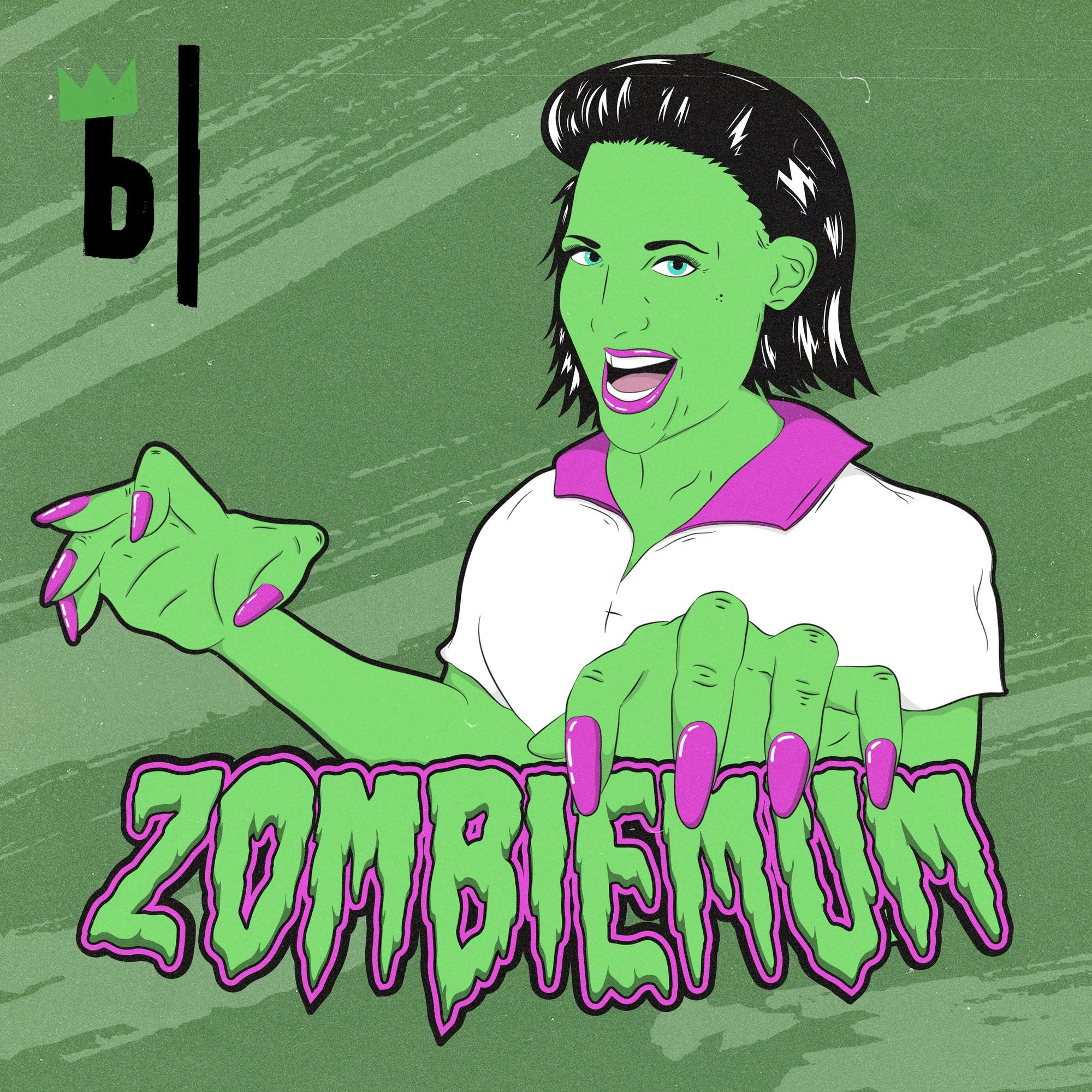
Introducing: We Were Always Here – Zombiemum
If you need that little bit of support and a reminder that you are not alone why not give Zombiemum a listen. You can find further episodes, which are released weekly, wherever you normally find your podcasts including Spotify and Apple Podcasts.
Getting support
If you are at all worried about postnatal depression, postpartum psychosis or simply need some support please do contact one of the organisations listed below:
Action on Postpartum psychosis
The national charity for women and families affected by postpartum psychosis – https://www.app-network.org
Mind
Provide advice and support to empower anyone experiencing a mental health problem – 0300 123 3393 (Monday to Friday, 9am to 6pm) / www.mind.org.uk
Samaritans
Provide confidential support for people experiencing feelings of distress or despair – 116 123 (free 24-hour helpline) / www.samaritans.org.uk
The Birth Trauma Association
A charity that supports people who suffer birth trauma (PTSD) after birth – https://www.birthtraumaassociation.org.uk
Association for Post Natal Illness
Provide support to people suffering from postnatal illness – 0207 386 0868 (Weekdays 10am-2pm) / https://apni.org
Pin this to help another new mum find support: